
PlayGrand Casino’s Network and Sister Sites: What Shared Infrastructure Means for Your Account
Players often ask whether PlayGrand Casino is part of a larger group. The answer usually lies in the operator details rather than in the brand name. Casino groups launch multiple sites on one platform to serve different markets and audiences, and each brand keeps its own front end, promotions and tone. What is shared is the plumbing: the account database, the payment connections and the compliance tools. For the reader, the practical takeaway is to check operator and licence details on any related site before assuming your history there is known.
See also:
- What White-Label Networks Actually Are
- playgrand casino: account access and verification
- How to Find Out Which Sites Share PlayGrand Casino’s Backend
- What Shared Infrastructure Changes for Your Account, Bonuses and Support
- Sister Sites Compared: When Playing Within One Network Helps and When It Does Not
- Common Questions About PlayGrand Casino’s Network
- Playing Responsibly Across Any Casino Network
What White-Label Networks Actually Are
The skin on the platform, not the platform itself
A white-label arrangement separates two jobs that players tend to read as one. The provider behind the platform supplies the account system, the games, the payment connections and the administrative tools that record limits and transactions. The casino brand operating on top of it supplies the name, the front-end design, the marketing and the tier-one customer contact. PlayGrand Casino sits in that second position: a brand fronting shared infrastructure rather than a developer of its own software stack. The distinction matters because the machinery beneath the brand is largely the same machinery other brands may rent.
The word "white-label" describes exactly that: a ready-made product relabelled for the reseller. When several casinos run on one provider’s platform, they can share logic for account creation, identity checks and transaction handling while differing completely in presentation, offers and service. Shared code does not make two brands the same business, and separate front-ends do not guarantee separate backends. Neither the domain name nor the visual polish tells you which is which.
Why the distinction changes what you can rely on
A network relationship describes infrastructure, not ownership, and certainly not a guarantee of identical treatment. Two sites on the same platform may set different limits, run different promotions and answer questions to different standards. The platform provider rarely deals with players directly; the brand does. So a problem with a bonus condition stays a conversation with the brand, even if the software that applied the condition was written elsewhere.
Practical criterion: judge the brand by its published terms and the support it actually gives, and treat the underlying network as an explanation of why certain features look familiar across sites rather than as a promise that they behave identically. The misleading shortcut is assuming that a shared platform means shared account privileges, transferable balances or equivalent service. None of that follows from the technical arrangement. What follows is narrower and still useful: some account and verification functions may work in recognisably similar ways, because the same provider built them.
playgrand casino: account access and verification
Service quality rests on multiple foundations. Examining key characteristics together clarifies how an operator balances its various provisions.
Casino Peaches Login: Logging In from Desktop and Mobile
| Brand | Details |
|---|---|
| playgrand casino | Registration at PlayGrand creates a binding agreement, and the €1,000 bonus and 100 spins carry promotion-specific terms. |
Before registering at PlayGrand, know what the account means: a legally binding agreement, not a throwaway login. That agreement frames the €1,000 bonus and 100 spins. Promotions run on standard promotional terms applied in full, with specific offer terms overriding them where they clash. The offer you click is governed by its own conditions first.
This holistic snapshot highlights interdependencies between features, allowing you to judge the coherence of the offering rather than isolated perks.
richy leo casino – login issues
How to Find Out Which Sites Share PlayGrand Casino’s Backend
Direct evidence beats a guess based on look and feel
Identical colours, fonts and lobby layouts can appear on two casinos that run on entirely separate platforms. A similar interface proves a common design supplier at most, not a common account or backend. The reliable route runs through the licence and company details rather than through visual resemblance: footer information, the general terms and privacy notices name the legal entity that holds the account and processes personal data, and matching entities is stronger evidence than matching branding. A shared software provider is a weaker signal still, because one game studio supplies games to many unrelated operators.
Where PlayGrand Casino itself discloses a network, sister brands or a parent group, that page or clause is the first place to look. Absence of such a disclosure does not establish that no relationship exists; it means the relationship is not stated in the material available to you. Treat that as an open question rather than a conclusion either way.
Following the paperwork instead of the aesthetics
The general terms usually identify the operating company, the registered address and the licence under which the service is offered. Read these details alongside the privacy policy, which describes where data sits and who controls it. When two sites name the same entity and licence, a single compliance structure governs both, and that structure is what shapes account limits, verification decisions and complaint handling. If the entities differ, related branding may still hide a commercial arrangement, but nothing in the visible terms demonstrates shared account infrastructure.
A practical test is to compare the listed contact channels and the dispute route named in the terms. Identical corporate details and the same named regulator point to a common operator; differing ones suggest separate operations behind a similar front. Record what you find rather than relying on memory, since terms are updated. This is where the comparison stops: what a shared backend changes for bonuses, limits and support depends on the operator’s own stated conditions, and those are worth reading on the sites that actually use the same entity.
What Shared Infrastructure Changes for Your Account, Bonuses and Support
Where a shared limit actually applies
Pooling several brands onto one platform does not automatically merge your history with them. What a shared backend changes is that the operator behind those brands can see one profile where a standalone site would keep two. Whether a limit is set per brand or applied across the group depends on the rule the operator writes into its own terms, not on the software alone. So the useful question is not “do sister sites share my data?” but “does this operator treat the group as one customer for this particular rule?”
ninewin casino no deposit bonus: eligibility checks
That distinction matters on a phone, where the details are easy to miss. A deposit cap, a self-exclusion or an account restriction recorded on one brand in a group may be honoured on the others because the same compliance team holds the record. It may equally be scoped to the single domain you logged into. The screen rarely tells you which. The terms document is where the scope is stated, and reading the section on linked accounts before you register elsewhere saves a support exchange later.
Bonuses, returning-player offers and who answers you
A shared platform lets a group coordinate promotions: an offer aimed at returning customers on one brand can be tied to activity recorded on another, and a code may be checked against the group’s record rather than a single account. Eligibility conditions are still written per offer, and the way a code is redeemed, the funding method used and the account history all feed into whether it applies. The mechanism is coordination, not a guarantee. An offer advertised on one site may simply not exist on a sister brand, and a code from one may not be recognised on another.
Support follows the same infrastructure. Where several brands share a helpdesk and a single set of account records, an agent can normally view the history the group maintains, which makes a query about a missing deposit or a locked account quicker. Where the brands keep separate teams, the same question has to be explained twice. Before you assume the faster route, check whether the contact page points to a shared help centre or a brand-specific one, and keep the reference number from any earlier ticket.
Sister Sites Compared: When Playing Within One Network Helps and When It Does Not
Where a second account earns its keep, and where it just adds friction
Whether to open accounts on several sites with a common backend should depend on what each one genuinely offers you, not on an expectation that a related brand will treat you more generously. A second account is worth considering when it solves a specific practical problem: the games you play are not stocked on the site you already use, the payment route you prefer is not available there, or you want to keep one account for everyday play and another for occasional sessions without mixing your spending records. Those are real, observable reasons. They do not depend on anything the network promises.
The trade-off sits in the account layer. Each site holds its own record: your identity documents, your deposit history, your contact details, your responsible-gambling settings. A change of address or a new payment card has to be updated brand by brand, and a limit you set on one account does not automatically follow you to another. Support is also per site. When something goes wrong with a withdrawal, you deal with the site where the request was made, not with a central office that can see all your accounts. That is the friction. It is modest if you use two sites rarely; it grows if you spread play across several and then cannot remember which one holds which document.
The shortcut that misleads: shared software is not shared terms
A common assumption is that sites on the same platform behave the same way. They can look alike, run the same game catalogue and even process payments through the same provider, which makes it tempting to treat them as interchangeable. They are not. Bonus conditions, verification requirements, withdrawal rules and the standard of support are set per operator, and a shared backend does not flatten those differences. Two sites can share infrastructure and still ask for different documents before a first withdrawal, or apply different limits to the same game.
The useful criterion is therefore not "is this the same network?" but "does this specific site solve the problem I have?" Compare the things you will actually touch: the games you want, the payment method you use, the clarity of the terms on the pages you read, and how the site handles a question. If a related brand clears that bar, a second account is a reasonable convenience. If it does not, the shared infrastructure is a detail with no bearing on your play.
One practical habit keeps the picture honest. Before registering anywhere, note in one place which site holds which document and which limits you have set, then update that note whenever you change anything. It takes a minute and prevents the confusion that multiple accounts create.
Gambling carries risk. Set limits before you play and treat the option to stop as a genuine one, on any site in any network.
Common Questions About PlayGrand Casino’s Network
Why was my bonus declined on a sister site even though I never claimed one there before?
Bonus eligibility can be assessed against the group’s wider account records, not just the single site where you clicked. A previous claim, a linked account or a limit recorded elsewhere in the network may be the reason. Ask that brand’s support which condition was applied.
Do no deposit bonus codes or bingo offers from one network site work on its sister brands?
Usually not, because each brand issues its own promotions and its own code list. A code is tied to the site that published it. Read the offer’s terms to see which domain it names, and treat any code copied from another brand as unverified until that brand confirms it.
Repeated password resets leave an account locked. What should I do next?
Stop resetting. Each attempt can add another failed verification to the same record, and a shared backend may carry that lock across the group. Contact the brand’s support directly, describe the lock rather than requesting another link, and ask what identity step will release it.
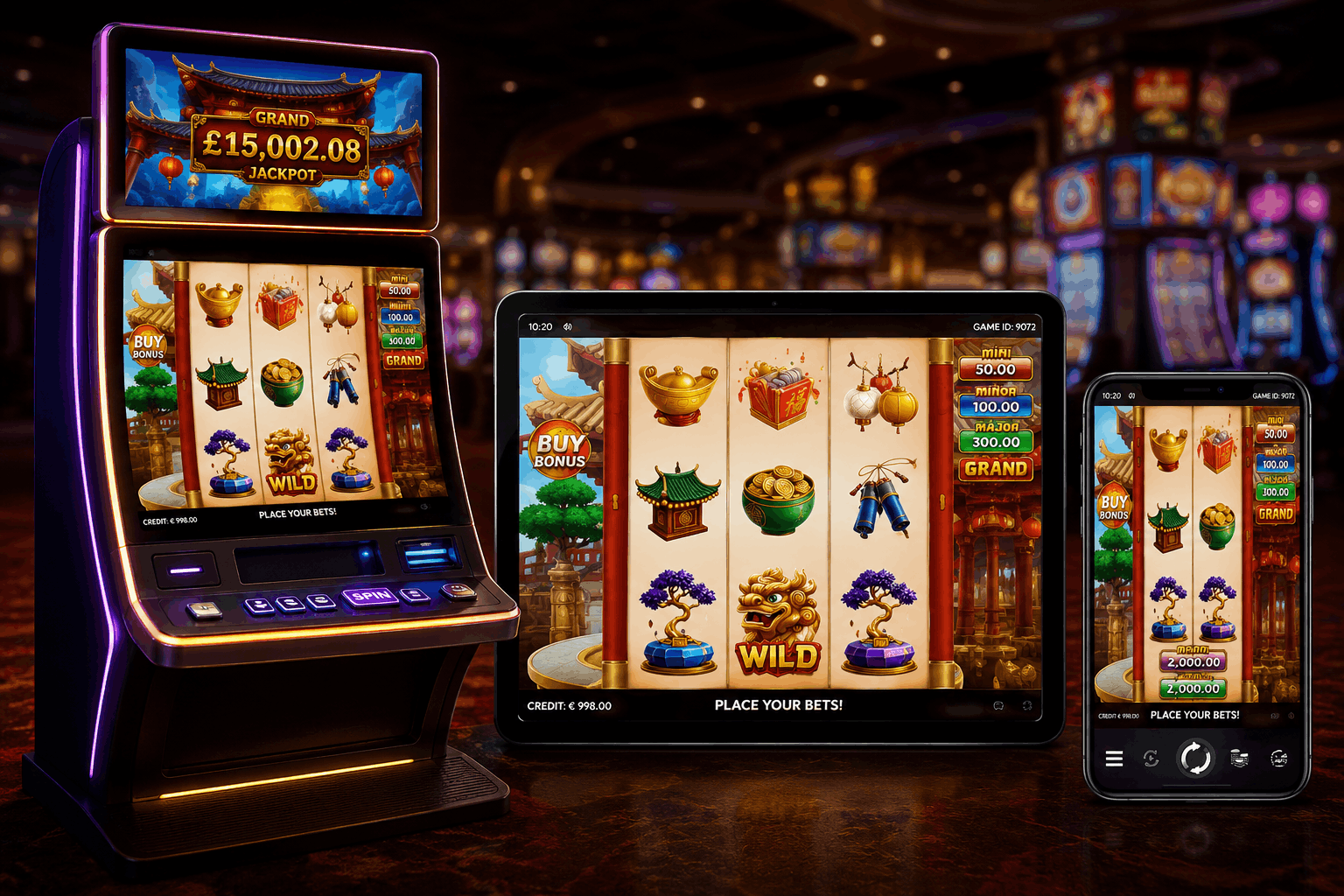
Playing Responsibly Across Any Casino Network
Three accounts on three sites still mean one evening of play. That is the practical point worth holding on to when the sites share infrastructure. Each brand applies its own limits, but your behaviour is the common thread, so a loss on one site can prompt a bigger deposit on another rather than a pause. GAMSTOP covers participating UK-licensed operators, yet limits you register inside an account apply only there. Decide a total figure and a finishing time before logging in anywhere. The Gambling Commission sets the framework for UK sites; the National Gambling Helpline on 0808 8020 133 offers confidential support through GamCare and BeGambleAware. Gambling is not a way to recover money, however familiar the second site looks.